
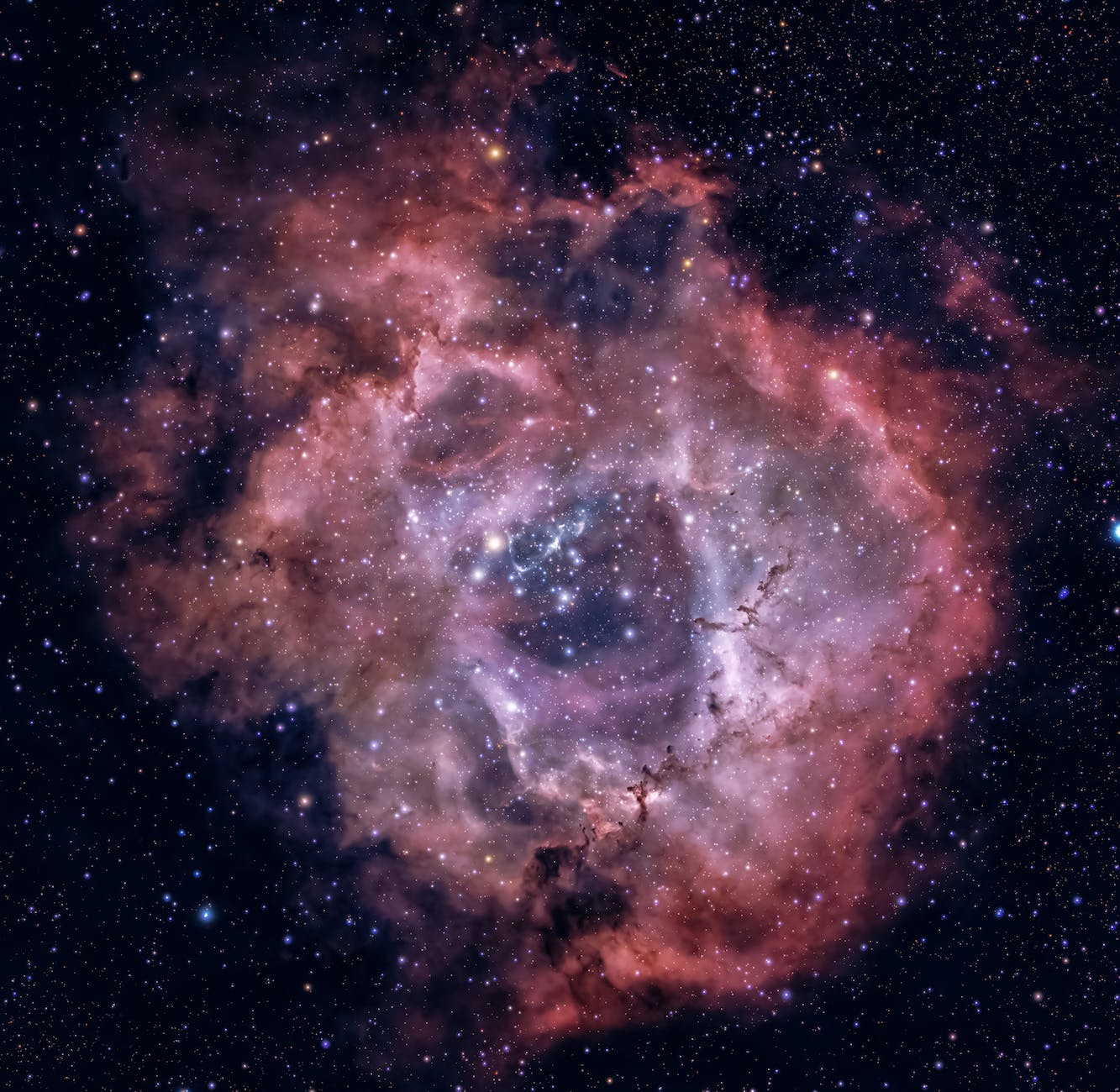
Supernovae – In the vast theater of the cosmos, where stars emerge and evolve, there exists a phenomenon of unparalleled brilliance and cosmic significance known as supernovae. These awe-inspiring events mark the grand finales of massive stars, opens up a magnificent display of energy and matter that illuminates the mysteries of stellar evolution, elemental creation, and the forces that shape the universe. For self learners like me and experts the study of supernovae stands as a testament to human curiosity and scientific exploration, offering a unique window into the universe’s narrative.
Supernovae – Introduction
Supernovae emerge as stars that have exhausted their nuclear fuel face an existential crossroads. The study of supernovae has unveiled a compelling taxonomy. Normally there are 2 types of supernovae are talked about
- Type I Supernovae: Born from binary systems, where a white dwarf accumulates matter from a companion star.
- These events serve as a cosmic yardstick for measuring distances across the universe.
- The consistent luminosity pattern aids astronomers in gauging vast cosmic expanses.
- The discovery of the universe’s accelerated expansion, attributed to dark energy, is supported by these events.
- Type II Supernovae: Arise from the gravitational collapse of massive stars.
- The colossal explosion expels outer layers into space.
- Heavier elements formed in the stellar core are scattered, enriching the interstellar medium.
- This process, known as nucleosynthesis, shapes the chemical composition of galaxies.
- The resulting elements become the building blocks for subsequent generations of stars, planets, and even life.
The significance of supernovae extends beyond their visual splendor. The remnants of these cosmic detonations, known as supernova remnants, act as cosmic laboratories.
When Gravity Surrenders and Stars Unleash Cosmic Fireworks
The gravitational forces that have sustained these celestial giants over eons suddenly yield to their own colossal weight, triggering a cataclysmic collapse.
- Epic Energy Surge: The collapse initiates an unimaginable release of energy that courses through the star’s outer layers.
- This culminates in a monumental explosion, surpassing the Sun’s entire lifetime energy output in an instant.
- This fleeting moment can result in a supernova that outshines even an entire galaxy.
- Cosmic Laboratories: Supernova remnants offer a unique platform for scientific exploration.
- They facilitate the study of shockwaves, magnetic fields, and the interaction between high-energy particles and the surrounding environment.
- These remnants, often appearing as intricate and radiant structures, preserve the aftermath of the stellar explosion.
- Astronomers leverage these remnants to uncover intricate details of the original cataclysm.
- Symphony of Study: Understanding supernovae requires a harmonious blend of methodologies.
- Observational efforts span across the electromagnetic spectrum, capturing a diverse range of radiation emissions.
- Telescopes capture everything from visible light to X-rays and gamma-rays, revealing the multi-faceted nature of the explosion.
- Theoretical models and computational simulations further contribute to deciphering the complexities of these cosmic events.
The intricate spectra and light curves provide clues about the explosion’s nature, the elements produced, and the subsequent evolution of the remnant.
Supernova Study- Observatories, Simulations, Innovations
The study of supernovae is undergoing a transformative evolution propelled by advancing technology and expanding knowledge. Collaborations among modern observatories such as the Hubble Space Telescope, Chandra X-ray Observatory, and ground-based surveys are providing a comprehensive understanding of these cosmic phenomena.
- Technological Progress: As technology advances, the study of supernovae takes on new dimensions, enhancing our comprehension of these cosmic events.
- Collaboration of Modern Observatories: The combined efforts of cutting-edge observatories such as the Hubble Space Telescope, Chandra X-ray Observatory, and ground-based surveys yield a more comprehensive understanding of supernovae.
- Crafting a Complete Picture: Through collaboration, these observatories provide complementary insights, ranging from visible light to X-rays, painting a holistic portrait of the intricate processes within supernovae.
- Decoding Physical Processes: Numerical simulations serve as virtual laboratories, allowing scientists to simulate and analyze the intricate physical mechanisms that drive supernovae, leading to insights that would be challenging to obtain through observation alone.
- Innovative Techniques: Gravitational Wave Detectors: These cutting-edge instruments open up new dimensions of exploration. By detecting gravitational waves generated during supernovae, they offer a unique perspective into the dynamics of these explosive events.
- Evolving Insights: As technology and methodologies evolve, our understanding of supernovae continues to deepen, revealing new layers of complexity and shedding light on previously unexplored aspects of these phenomena.
- Bridging Technology and Knowledge: The synergy between advancing technology and expanding understanding ensures a dynamic cycle of discovery, where technological advancements drive deeper insights and newfound knowledge spurs the development of innovative tools.
Through these collaborations, a complete picture of supernova events is being crafted, revealing intricate details across various wavelengths of light
Summary
The evolving landscape of technology and understanding continually deepens our insights into supernovae. As technology advances and methodologies expand, our comprehension of the underlying mechanisms and implications of supernovae grows.
The symbiotic relationship between technology and knowledge ensures an ongoing cycle of discovery, where advancements in technology drive deeper insights, and newfound knowledge sparks the development of innovative tools for further exploration.
Numerical simulations stand as vital tools, enabling scientists to decipher the complex physical processes that drive supernovae. These simulations act as virtual laboratories, allowing for in-depth exploration that complements observational data.
Additionally, innovative techniques like gravitational wave detectors introduce new dimensions to the study. By detecting gravitational waves generated during supernovae, these detectors provide insights into the dynamic aspects of these explosive events.
Conclusion – The cosmic tapestry is woven with threads of supernovae — celestial events that bridge the gap between the life and death of stars, sculpt galaxies, and enrich the cosmos with elements essential to life. The study of supernovae resonates as a testament to human curiosity and the relentless pursuit of knowledge. Each explosion is a cosmic spectacle that beckons us to decipher the underlying physics and narratives of stellar demises, ultimately revealing our place in the grand cosmic saga.
—
Point to Note:
All of my inspiration and sources come directly from the original works, and I make sure to give them complete credit. I am far from being knowledgeable in physics, and I am not even remotely close to being an expert or specialist in the field. I am a learner in the realm of theoretical physics.
======================= About the Author =======================
This post is authored by AILabPage from – Physics and Math Lap.
Physics and Math Lab by AILabPage is your ultimate hub for delving into the fascinating realms of Physics, Theoretical Physics, and Mathematics. Immerse yourself in an enriching experience where learning transcends mere understanding and becomes a thrilling journey of exploration. Through interactive sessions and hands-on experimentation, we unveil the intricate wonders of these disciplines. Join our dynamic community to explore the depths of theoretical concepts and mathematical principles. Follow us on Twitter and LinkedIn to stay informed about the latest advancements, discussions, and events. Remember, Math and Physics are fun, not a problem, so let’s learn and have fun together! Welcome to our realm of intellectually stimulating discovery!
Thank you all, for spending your time reading this post. Please share your opinion / comments / critics / agreements or disagreement. Remark for more details about posts, subjects and relevance please read the disclaimer.
============================================================

Your point of view caught my eye and was very interesting. About 11,000 years ago, a massive star died and unleashed a powerful explosion that caused its outermost layers to shock wave into surrounding gas in the region.